Common Interior Painting Mistakes and How to Avoid Them
Choosing the Wrong Paint
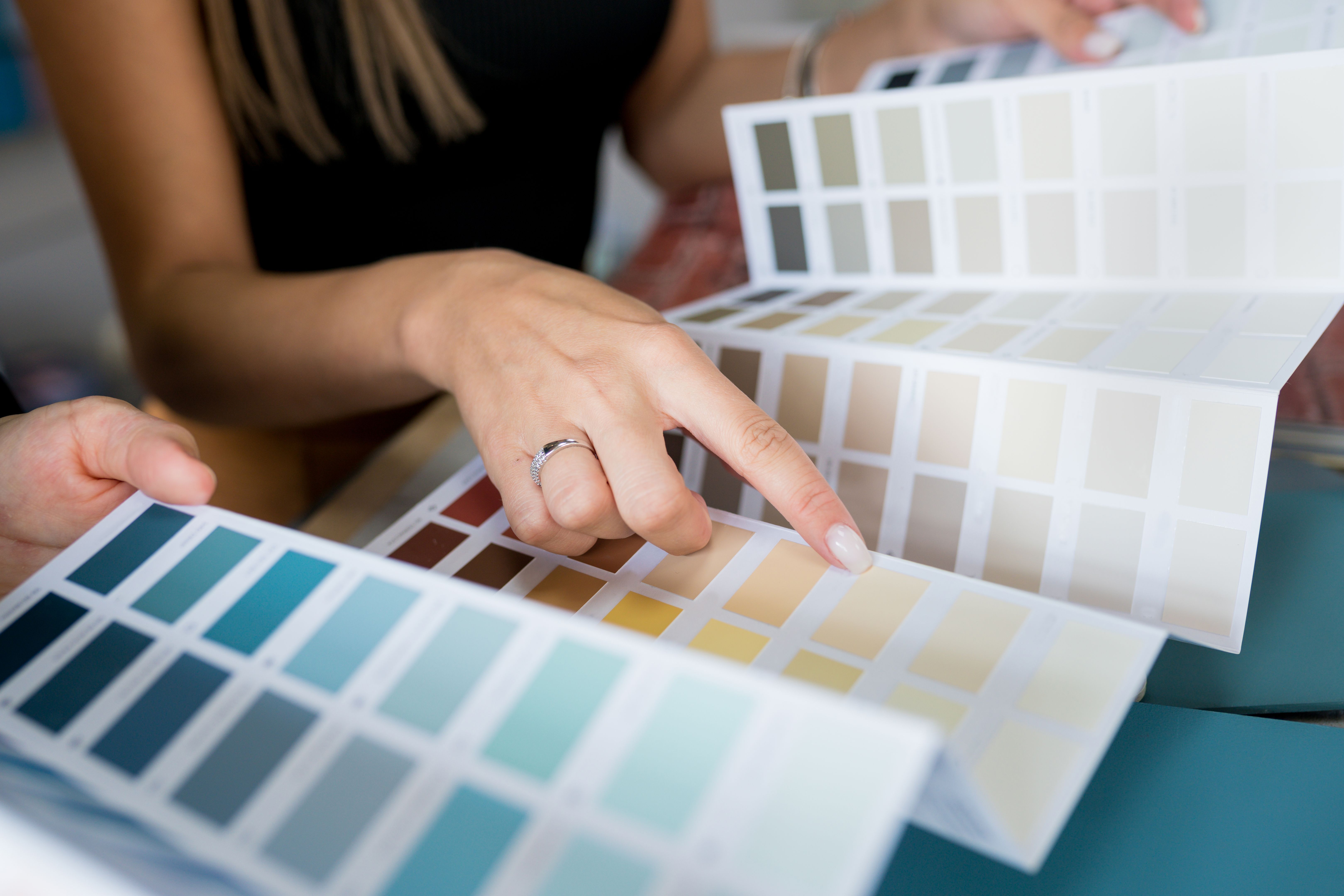
One of the most common mistakes in interior painting is selecting the wrong type of paint. It's essential to choose a paint that suits the room's purpose and conditions. For example, kitchens and bathrooms require moisture-resistant paints, while living rooms might benefit from washable finishes. Always consider the sheen, durability, and color when selecting your paint.
Skipping the Primer
Many people skip the primer, thinking it's unnecessary. However, primer is crucial for achieving a smooth and even finish. It helps the paint adhere better to the walls and can hide imperfections and stains. Always apply a primer before painting, especially when transitioning between dark and light colors.
How to Use Primer Effectively
To get the best results, choose a primer that matches your paint type. Apply it evenly with a roller or brush, and allow sufficient drying time before adding your topcoat. This step ensures that your final paint layer looks vibrant and lasts longer.
Ignoring Proper Surface Preparation
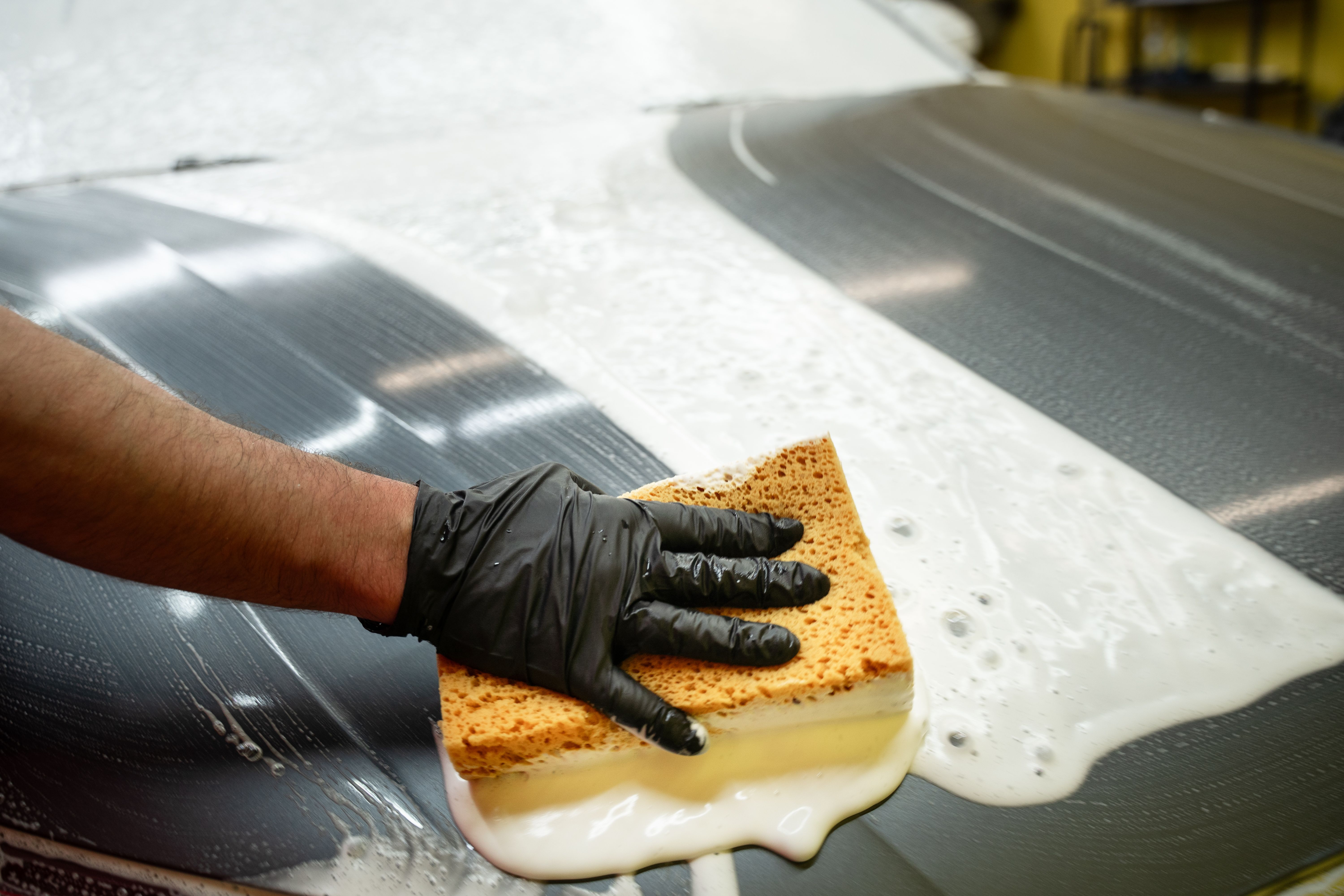
Proper surface preparation is key to a professional-looking paint job. Neglecting this step can lead to peeling, cracking, or uneven coverage. Start by cleaning the walls to remove dust, grease, and debris. Fill any holes or cracks with spackle, and sand the surface for a smooth finish.
Tools for Surface Preparation
Invest in quality tools like putty knives, sandpaper, and cleaning solutions. These will help you achieve a flawless surface, making the painting process more efficient.
Using the Wrong Brushes and Rollers
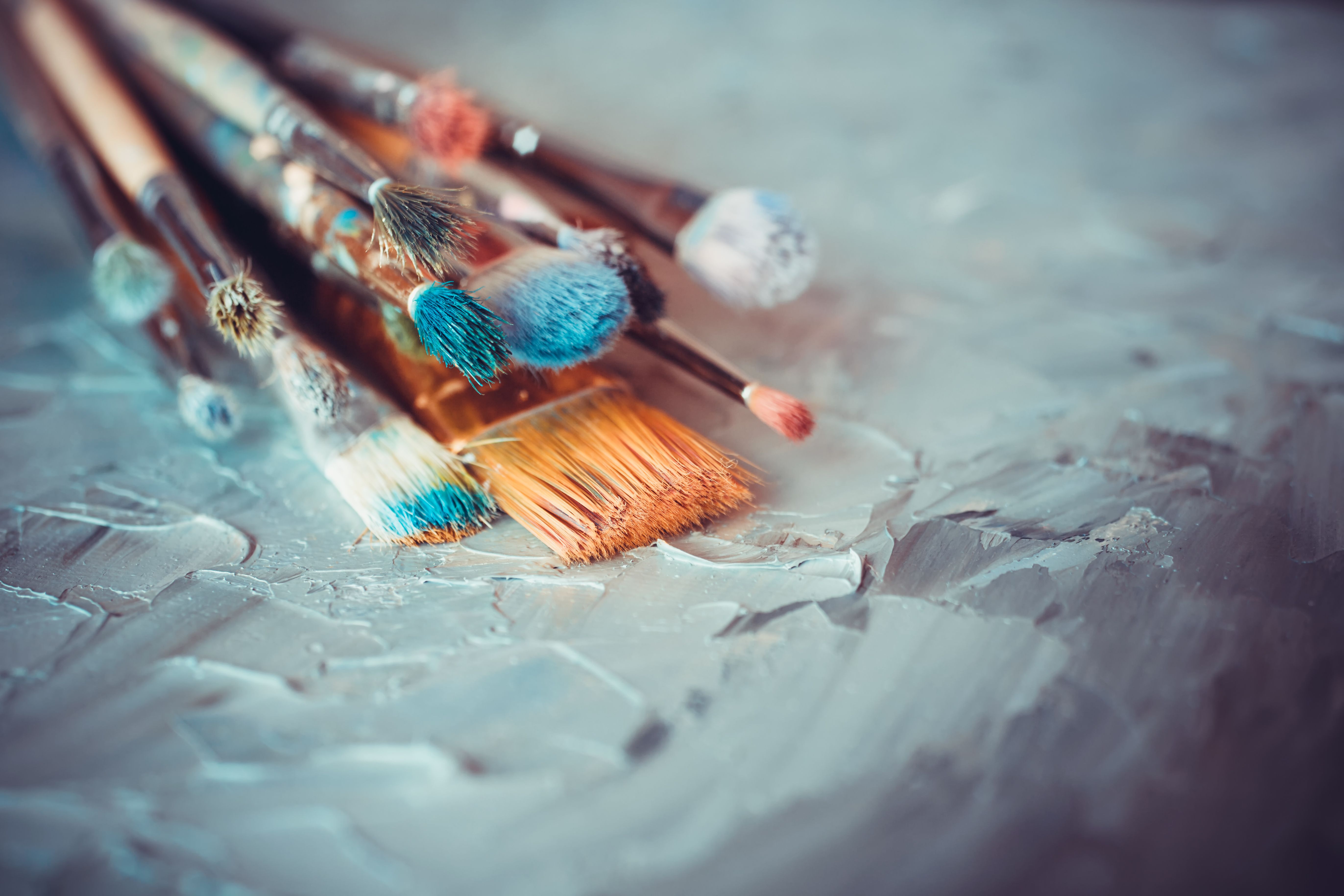
Choosing the right brushes and rollers is crucial for achieving a smooth finish. Different surfaces and paint types require specific tools. For example, use a high-quality synthetic brush for latex paints and a natural bristle brush for oil-based paints. Rollers with a thicker nap are better for textured surfaces.
Maintaining Your Painting Tools
Properly cleaning and maintaining your brushes and rollers can extend their lifespan and ensure better results. Clean them immediately after use with water or paint thinner, depending on the paint type.
Applying Too Much Paint
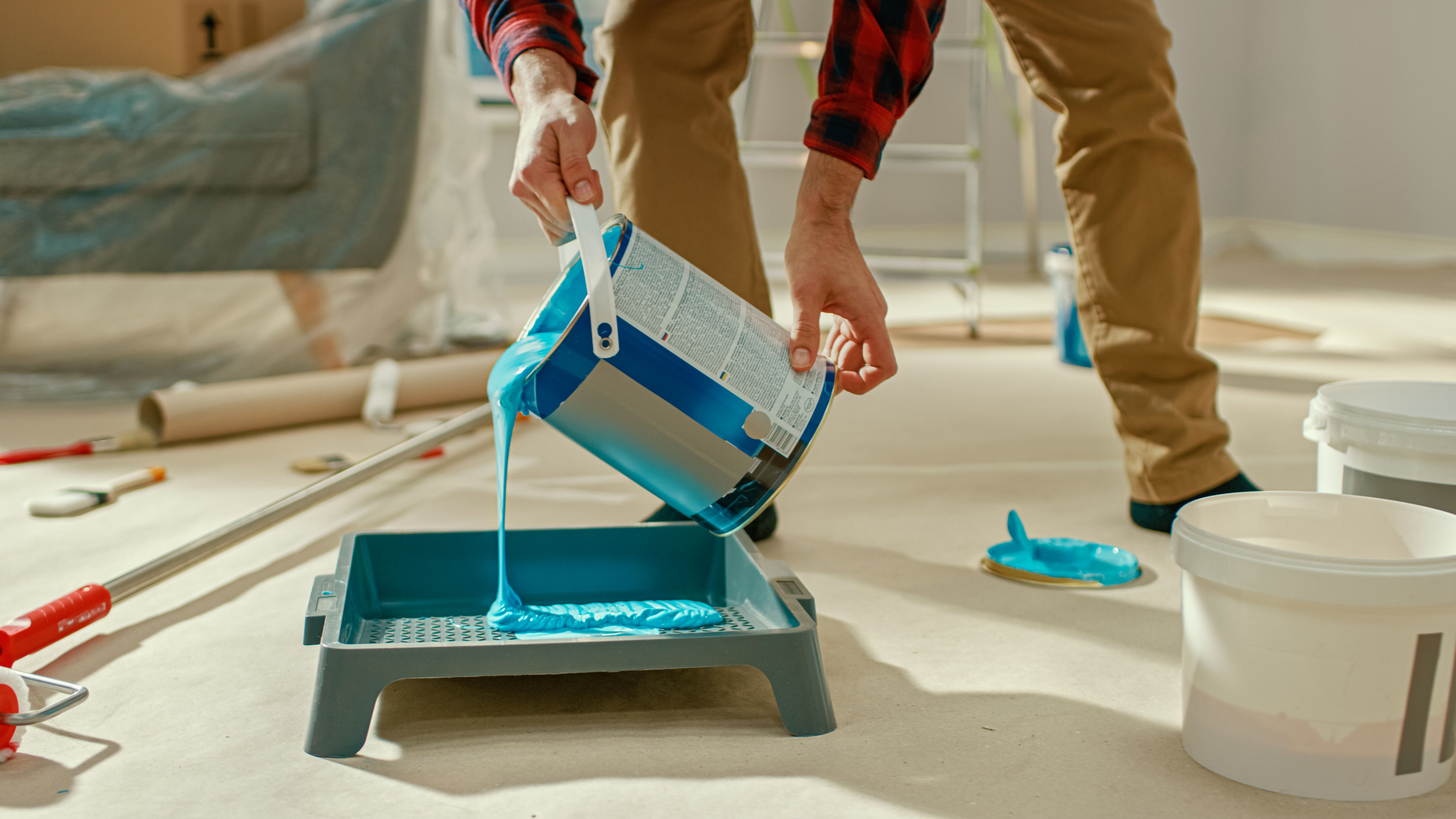
Overloading your brush or roller with paint can lead to drips, uneven coverage, and a messy finish. It's better to apply thin, even coats and build up the color gradually. This technique not only saves paint but also results in a more polished appearance.
Technique for Even Coats
Start by dipping your brush or roller lightly into the paint, and remove excess by tapping it against the can's edge. Apply using long, smooth strokes, maintaining a wet edge to avoid lap marks.
Not Allowing Enough Drying Time
Rushing the drying process can ruin your paint job. Each coat needs adequate time to dry before applying the next one. Check the paint can instructions for recommended drying times. Remember, patience is key for a durable and attractive finish.
Avoiding these common interior painting mistakes can save you time, money, and frustration. With careful planning and attention to detail, you can achieve a professional-looking finish that enhances your home's aesthetic appeal.